In MedTech, every millimeter of space and every millisecond of latency counts. The KIMA robotic arm is not an industrial robot adapted for medicine – it is a purpose-built solution designed for seamless integration into your clinical environment while addressing the stringent safety, performance, and reliability requirements of medical applications.
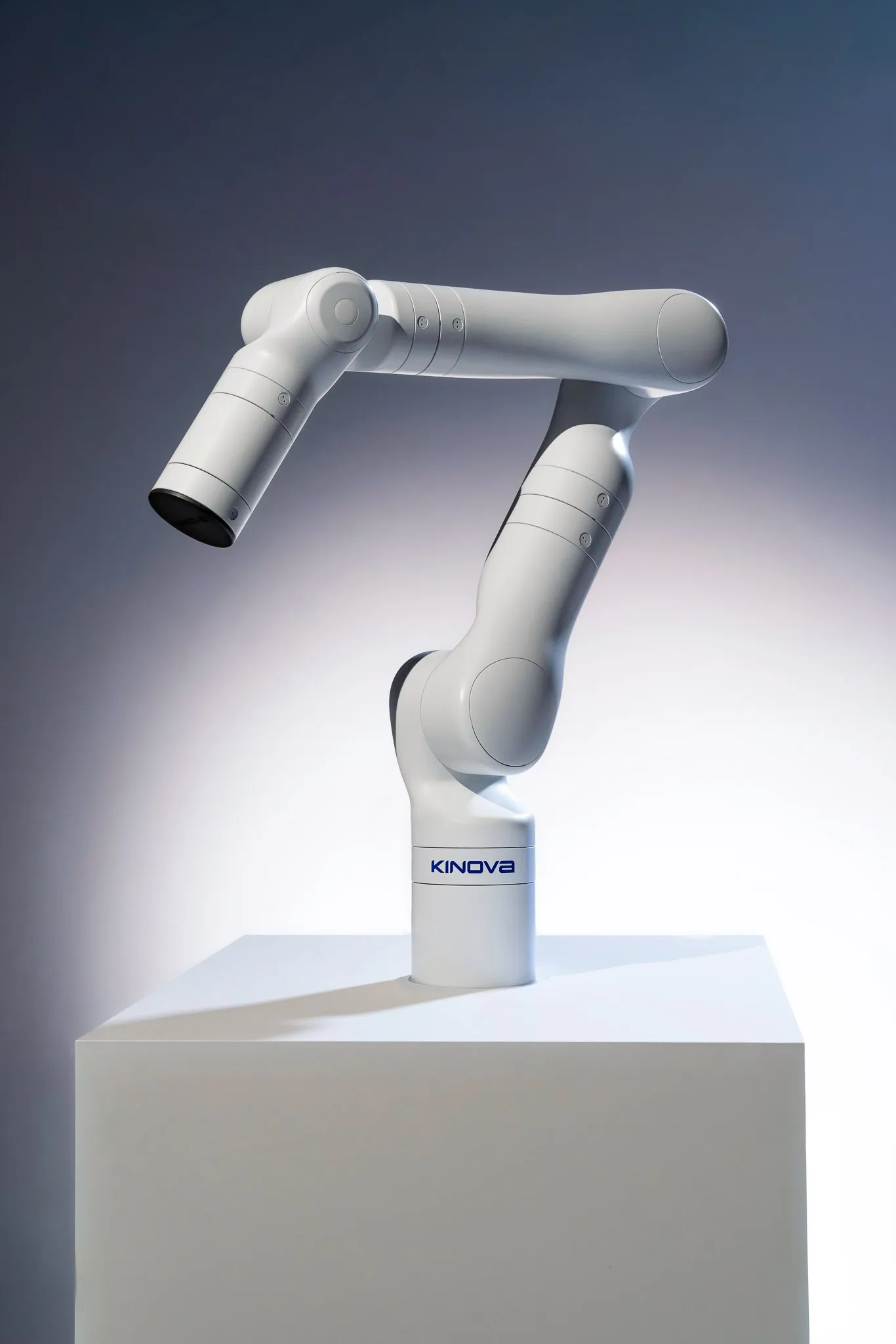
Designed for precision-driven surgical robotics, KIMA combines calibrated accuracy, repeatable motion control, and compact clinical integration to support advanced medical system development.
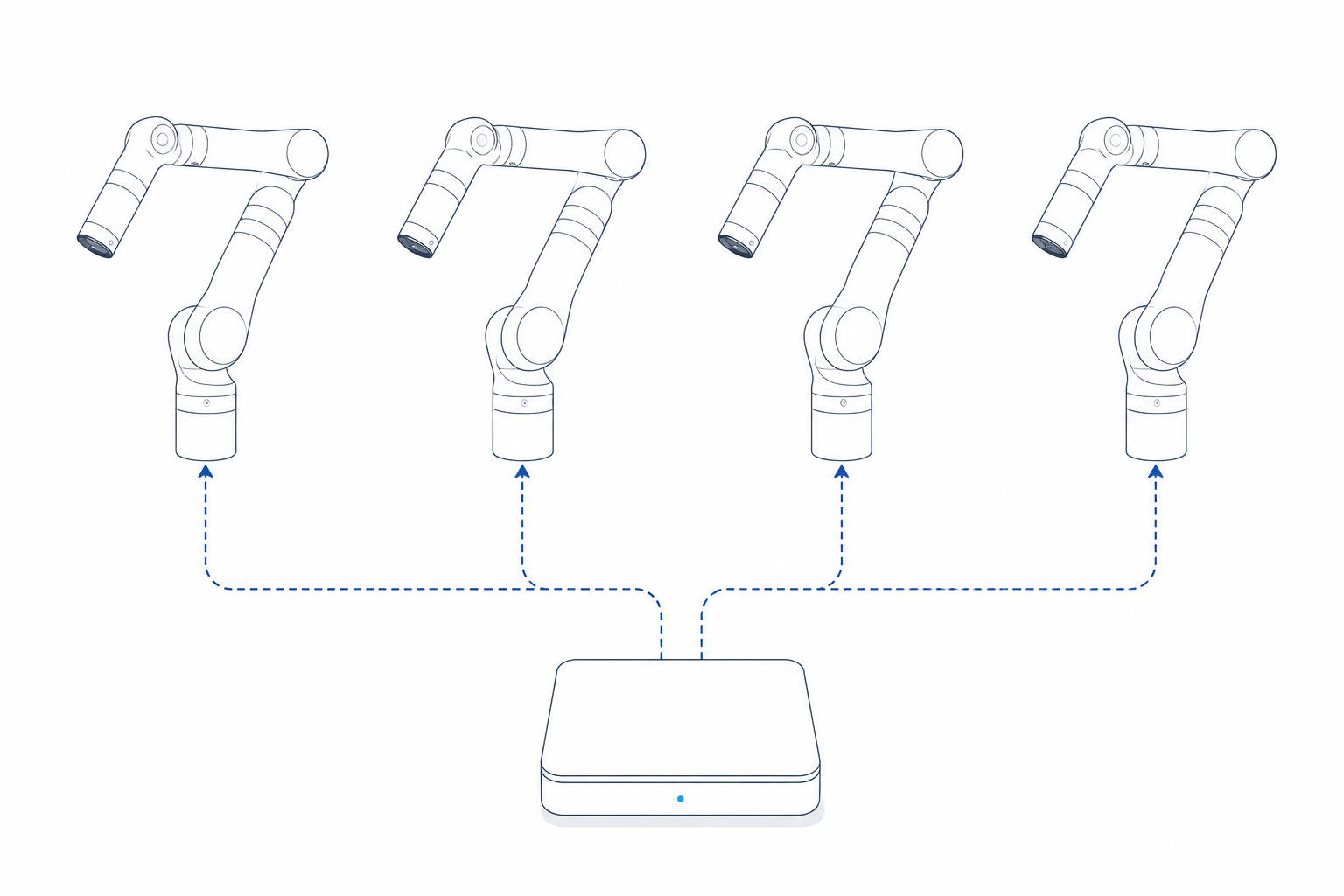
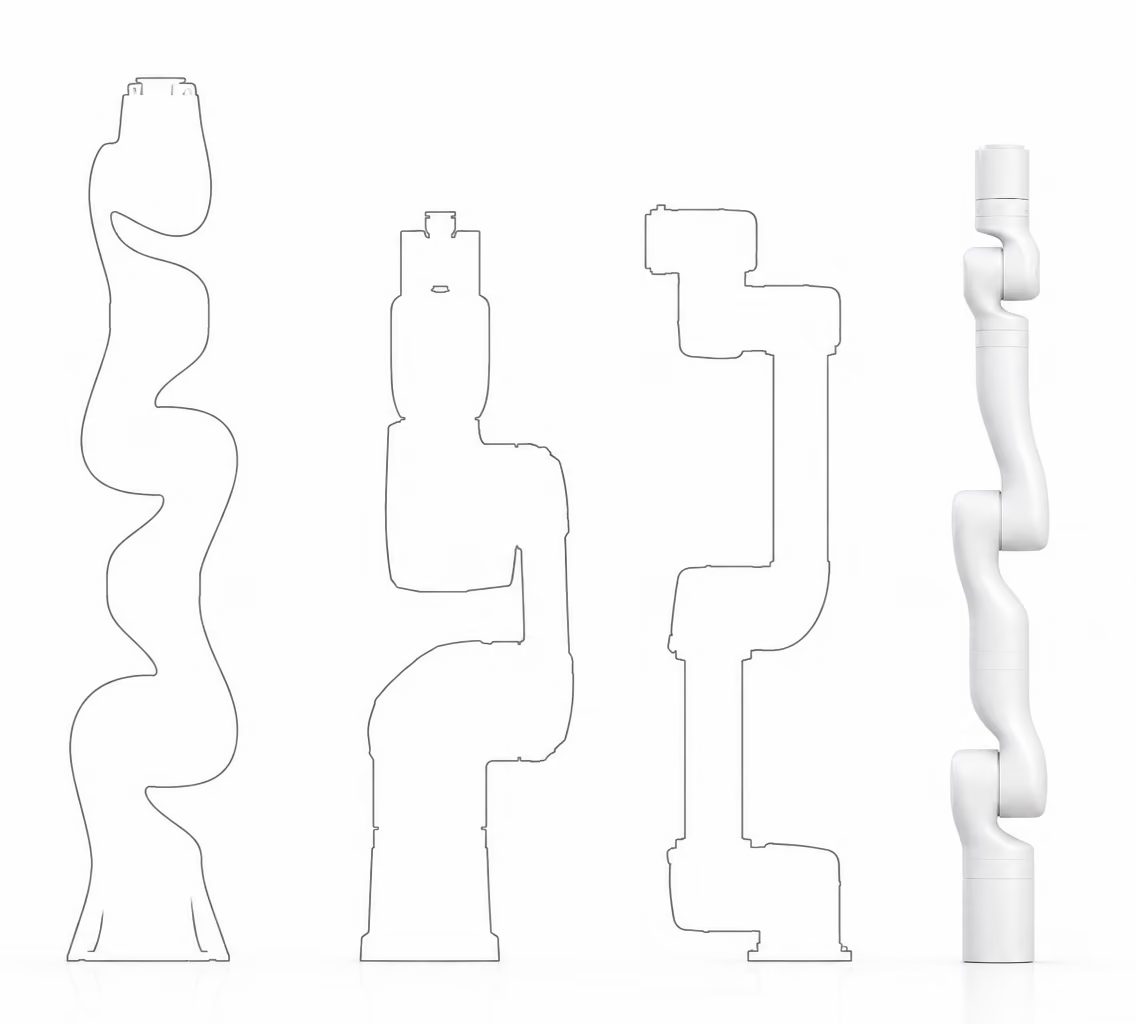
Weighing less than 13 kg, the KIMA robotic arm is designed to fit within the demanding spatial constraints of operating room environments. Its compact footprint and reduced weight provide greater flexibility for robotic system design and integration in complex clinical settings.
Every joint includes redundant torque sensors and supports advanced monitoring functions designed for medical environments. This architecture helps monitor joint-level performance and supports the safety requirements of medical robotic applications.
Supporting payloads of up to 3 kg at a 750 mm reach, the KIMA robotic arm delivers a calibrated accuracy of 1 mm and a repeatability of 0.1 mm for demanding medical applications. Its high-precision performance enables the control and consistency required for delicate medical interventions and advanced robotic procedures.

KIMA features an open architecture using EtherCAT communication protocols and a control library in a controller-less design, enabling direct control and easier integration into existing medical platforms. Instrument drives include power and passthrough I/O capabilities, facilitating the integration of surgical instruments and medical devices.

Designed to accelerate your time-to-market, KIMA is engineered for compliance with IEC 60601-1 and IEC 62304 Class C software standards. Its certifiability-focused design helps simplify regulatory processes and supports the demanding requirements of medical systems and applications.
KIMA is a robotic arm designed by Kinova specifically for medical robotics. Medical device manufacturers integrate it into their own systems, such as surgical or imaging platforms, instead of adapting an industrial robot.
KIMA carries up to 3 kg at a 750 mm reach. The arm weighs 12.6 kg and measures 1,212 mm in total length, which helps it fit within the tight space of an operating room.
KIMA offers repeatability under 0.1 mm and calibrated accuracy under 1 mm. Repeatability is how closely the arm returns to the same point; accuracy is how closely it reaches a target point.
KIMA is designed for compliance with IEC 60601-1, the safety standard for medical electrical equipment, and IEC 62304 Class C, the standard for medical device software at the highest risk level. The final medical device is certified by the manufacturer that integrates KIMA.
KIMA has no external control cabinet. The control electronics are built into the arm, and your system commands it directly through a Kinova control library. This saves space and simplifies integration.
KIMA uses EtherCAT, an open, real-time industrial communication network, so you can integrate it into your own architecture with Kinova’s control library.
Yes. KIMA’s instrument drives provide power and passthrough I/O: input and output signals run through the arm to the instrument or device at its end, so you do not need extra cables along the arm.
Each KIMA joint has redundant torque sensors, which measure the force at the joint twice, and supports joint-level monitoring functions.
Purpose-built for healthcare and operating room environments, KIMA enables OEMs to accelerate innovation while meeting the demanding requirements of medical robotics.
talk to our experts